Welcome to Boatinland
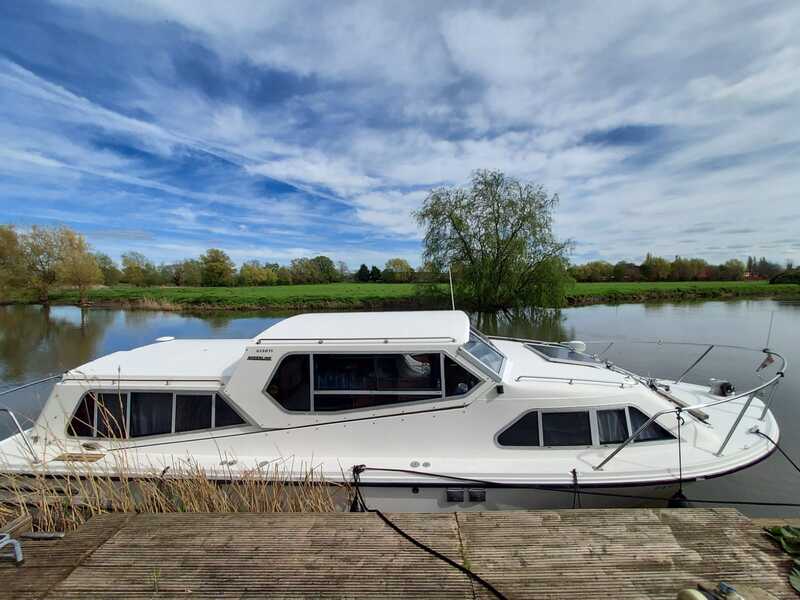
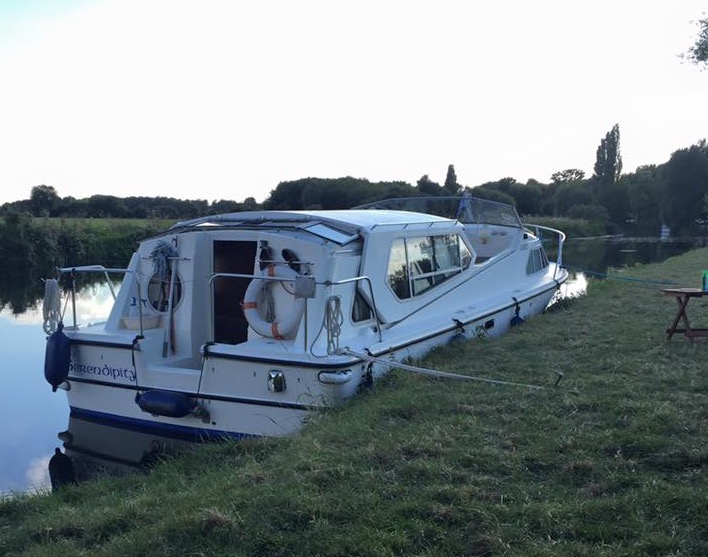
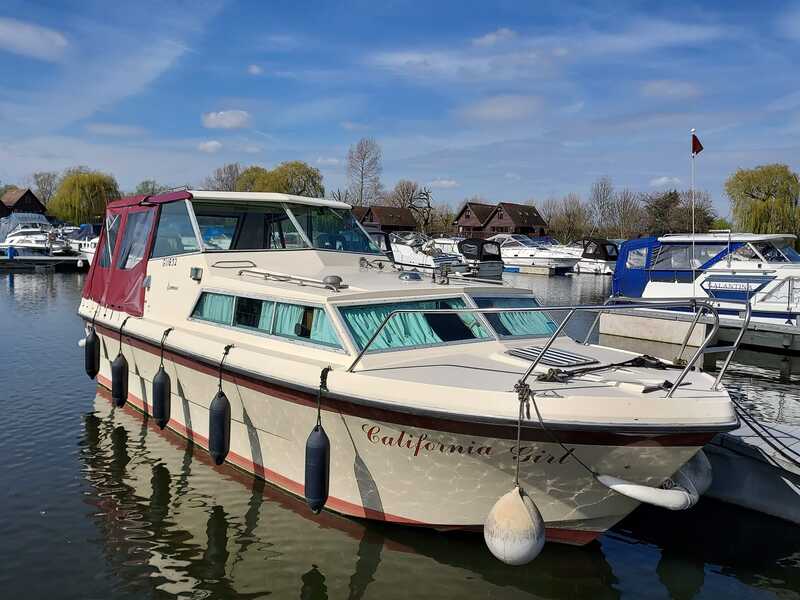
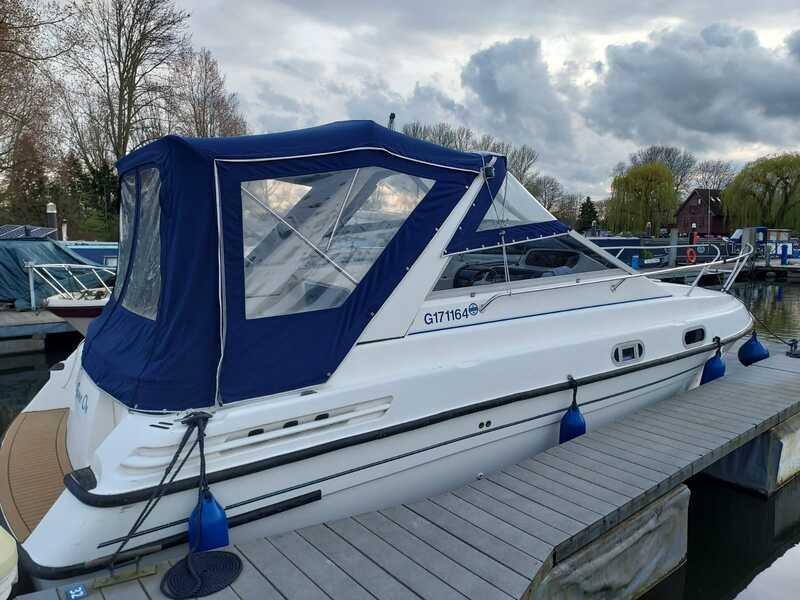
Boats of all descriptions for Sale
Boat Sales and Engineering by Marlex Marine
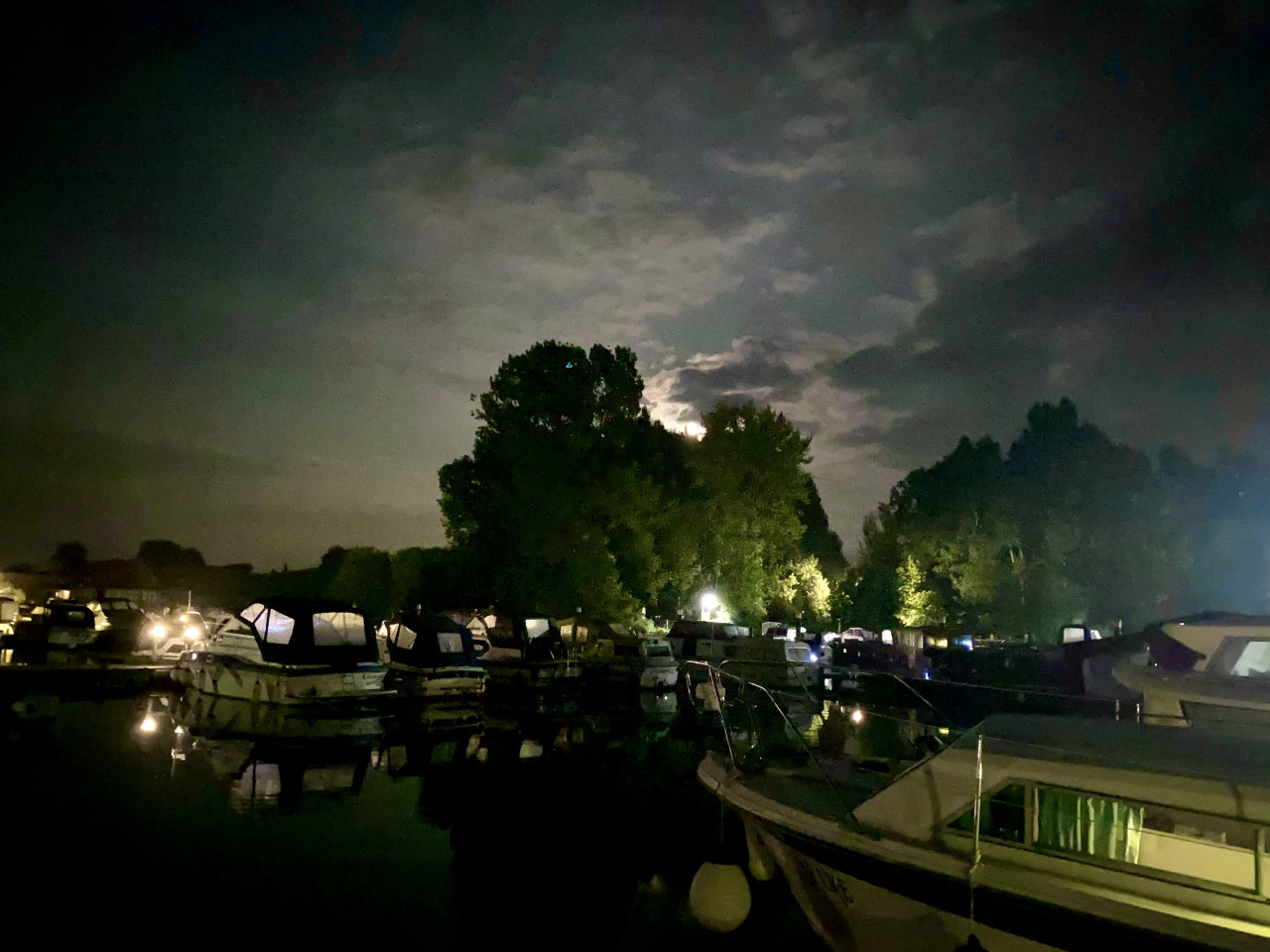
We purchase boats for re sale - Please ask for a price
Welcome to Boatinland
Boat viewing is on an appointments only basis
To make an appointment for viewing please speak to Samantha on 01480 812225.
To protect our staff no public are allowed in the Marlex and Boatinland Offices.
Our aim is to get you boating the right boat at the right price
Boatinland is owned by Marlex Marine Technology Ltd, a recognised Marine Engineering company with multiple dealerships for engines, outboards and marine heating systems.
We pride ourselves on having accompanied viewings on all our boats which gives the seller the confidence that their boat is being looked after and the prospective purchaser time to ask about the boat and general boating enquiries on our river system.
We sell all types of boats from GRP cruisers to narrowboats and steel wide beams. We are proud that our reputation has seen many happy customers return to us and recommend our service.
Our Opening Times
Monday to Friday 10am to 6pm
Weekends : BOAT VIEWINGS ARE ON AN APPOINTMENT ONLY BASIS
Popular categories
Latest Ads